
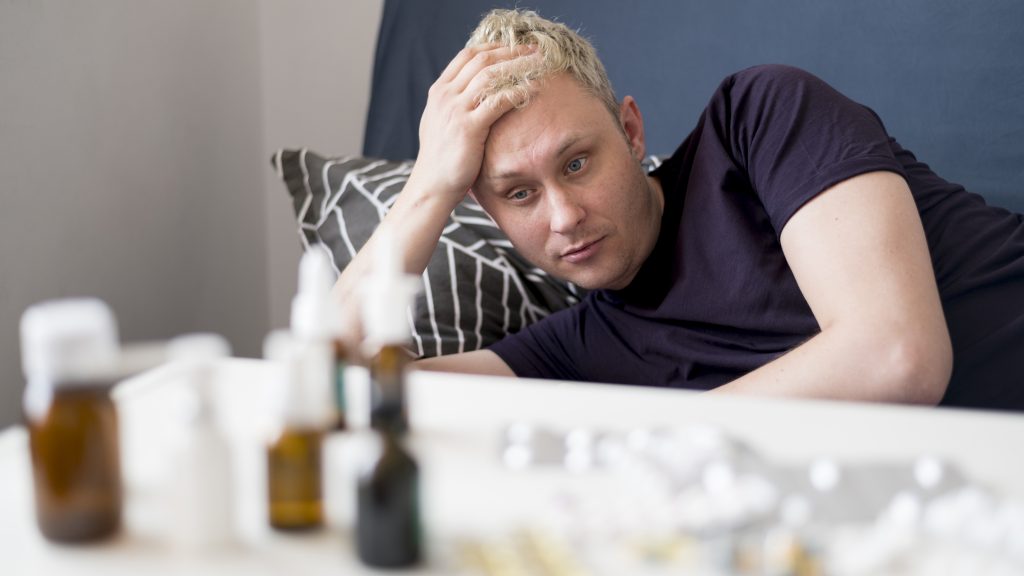
Imagine waking up in a body that doesn’t feel like your own. Even the smallest tasks become overwhelming for someone who is chronically ill. Firstly, physical pain feels like the toughest thing. But as time goes on, deeper emotional problems start to show up. For example, anger at your limitations, loneliness from people who don’t fully understand, and sadness over the life you used to have. People don’t always notice these battles, but they are just as real as the illness itself. When this happens, it’s important to practice self-compassion. Why? Because it helps us heal emotionally and get back our sense of self-worth and purpose.
Living with a chronic illness isn’t just putting up with pain. It’s also an emotional journey that can be hard to handle at times. In addition to the difficulties of dealing with their symptoms every day, people also experience frustration, isolation, and grief. Having these issues can make you lose your sense of self-worth. Thus making it hard to be positive about life. Self-compassion and self-acceptance become very important on this path. Being kind to ourselves gives us the strength to deal with these problems and live a meaningful life.
Frustration: Coping with the Loss of Control
The hardest feeling to deal with when living with a chronic illness is frustration. Unmet hopes and a feeling of helplessness can come from not being able to control your body due to a chronic disease. It’s easy to get angry when you can’t do the things you used to love or when you feel like you have too many things to do every day. It’s important to recognize these feelings without judging them. Focusing on things you can change. For example, how you deal with your illness can help you feel less frustrated. To stay balanced on this hard road, you need to first have the acceptance of illness. Then, you need to practice self-love and let yourself feel these emotions without feeling guilty.
Isolation: The Silent Struggle of Feeling Alone
People who have a chronic illness often feel very alone. Living with a chronic illness can make you feel isolated. It can be because of the physical restrictions that keep you from going to social events or because other people may not fully understand how you feel. Lack of social interaction can hurt your mental health, making you sad and confused. It’s important to be aware of these feelings and look for ways to connect with others who can help. Having friends, a support group, or therapy can help you meet new people and stay connected. This can help you develop a sense of self-worth while living a life with chronic illness.
Grief: Mourning the Life You Once Knew and Battling Negative Thoughts
Living with a chronic illness often means missing the life you used to have. Losing your health, chances, or even your dreams can cause a lot of sadness. Grief is complicated; it’s not just about being unable to do things physically but also about the emotional turmoil that accompanies chronic disease. It also has emotional and mental effects, like losing your old self. Let yourself feel the sadness you’re going through by giving yourself the acknowledgment you need. It can help you get better by letting your sadness show and remembering the person you were before you got sick. You can move on with your life while still honoring the past by getting professional help or talking to a caregiver about your loss related to life with a chronic illness.
The Importance of Self-Love & Self-Compassion in Healing
Self-compassion is very important when dealing with the mental effects of chronic illness. It means being kind and understanding to yourself when things are hard instead of giving in to negative thoughts or criticizing yourself. We can lessen the harsh opinions we often have against ourselves when we practice self-compassion. This not only makes you feel less ashamed and guilty, but it also helps you heal. Self-compassion lets you accept your flaws without feeling like you’ve failed. Realizing that you deserve the same care and compassion that you give to others. Your caregiver can also help you feel more balanced and give you more self-worth through mindfulness techniques. It also helps in maintaining your health and overall well-being.
Practical Ways to Cultivate Compassion for Yourself During Chronic Illness
Developing self-compassion takes time, but it’s an important thing to do for healing. To stay present and accept your feelings without judging them, start by practicing awareness. Change the way you think about negative thoughts by questioning whether they are true and focusing on your skills. You should give yourself self-care time, like rest, a favorite activity, or just doing nothing. This way, you can take care of yourself without feeling guilty about it. You can also work through your feelings and connect with others. The ones who understand your journey by going to therapy or joining a support group. The more you do these things, the more self-acceptance and strength you’ll gain. It will help you live with chronic illness with more peace and purpose.
Final Thoughts on Embracing Self-Love as a Path to Emotional Healing Amid Chronic Illness
Chronic illness can make you feel like you can’t handle the emotional toll it takes, causing frustration, isolation, and grief. Self-compassion and self-love, on the other hand, can help us heal mentally and move on. Self-compassion isn’t just about feeling better; it’s also about being okay with being open with ourselves. By going down this road, we can face our problems and still feel like we have self-worth and meaning in life. Over time, this practice can help you feel strong enough to live with chronic illness. You learn to find peace and connect with other people. We want to offer you hope in the form of a companion–a book–that will guide you to live with confidence and self-love: “Beyond The Metamorphosis” by Katie Halley. It chronicles the author’s struggles with Stevens-Johnson Syndrome, epilepsy, and a learning disability without short-term memory.